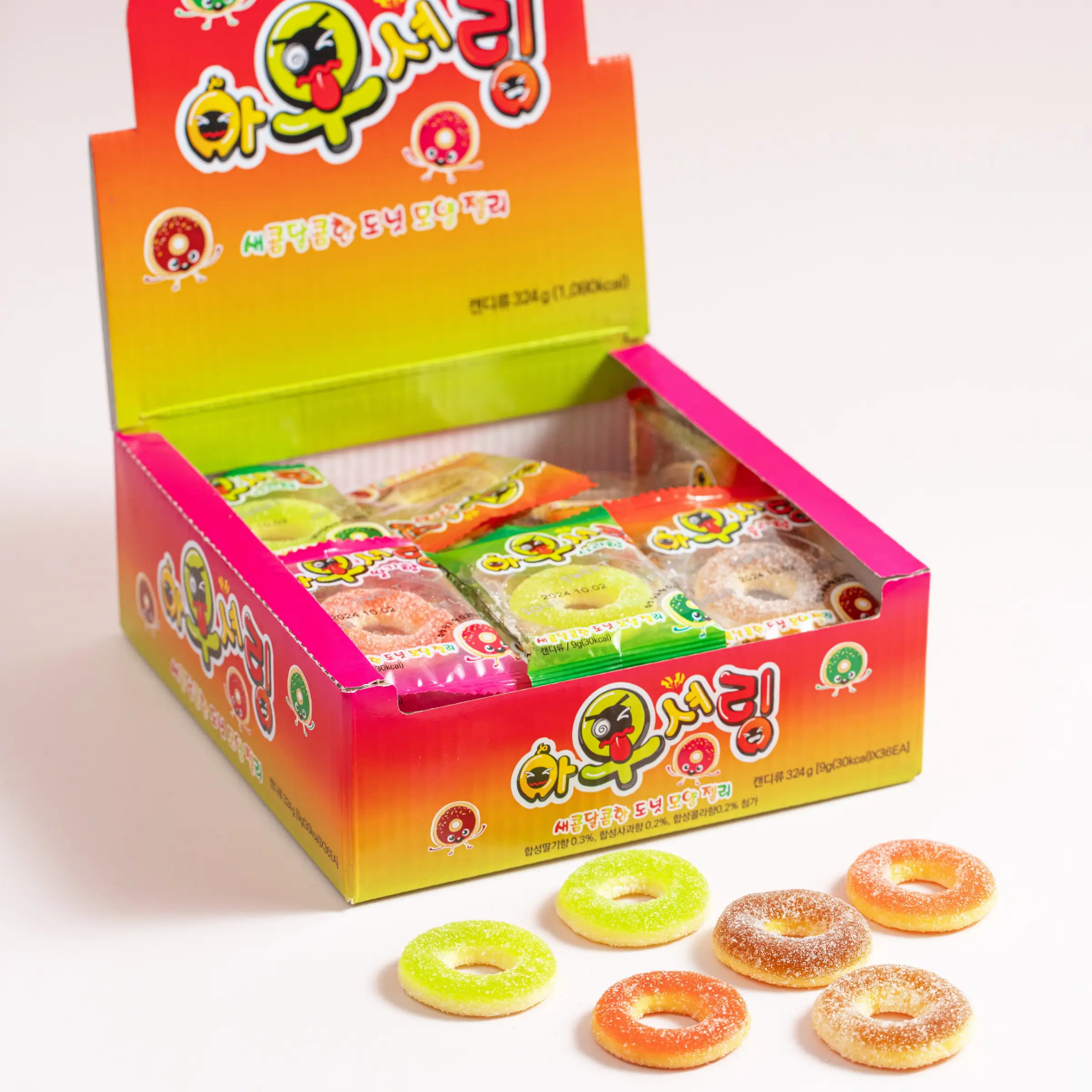
Mixed fruit gummies give retailers and distributors a flexible confectionery option, combining familiar flavors in one range. For buyers, their value extends beyond taste: assortment design, package format, price positioning, and supply consistency all influence fit across convenience stores, supermarkets, specialty shops, and wholesale programs.
Variety Makes Assortments Easier to Adapt
A mixed fruit range serves shoppers with different preferences without requiring a separate SKU for every taste. Strawberry, mango, lychee, and other fruit-inspired profiles create a familiar foundation, while seasonal or less common flavors add differentiation. The right combination depends on local preferences, consumer groups, and retail price points.
When comparing fruit jelly candy manufacturers, buyers should look beyond the number of flavors in a catalog. Ask whether each flavor is available in the required shape and pack size, whether the assortment can be repeated consistently, and whether custom combinations suit the planned order volume. A clear brief helps suppliers offer a workable range instead of one that looks broad but is difficult to manage.
Convenience Stores Need Fast Recognition
In convenience stores, candy competes for limited shelf and checkout space. Bright fruit imagery, clear flavor descriptions, and display-friendly packaging can help shoppers understand a product quickly. Compact packs may suit impulse purchases, while multi-piece formats can offer a different price point.
Buyers should consider how each pack fits beside existing confectionery products. A mixed assortment can add variety, but it should not duplicate every flavor and price tier already represented. Review pack dimensions, display orientation, units per carton, and shelf-ready options before confirming an order. These details affect replenishment, store labor, and use of available space.
Supermarkets Benefit from Clear Range Architecture
Supermarkets often need products that fit a broader planogram and serve several shopping occasions. Small packs can support impulse ranges, while family-size bags and jars may suit sharing or pantry purchases. A consistent visual system across formats can make the section recognizable without making every SKU identical.
Fruit gummies can also occupy different price tiers. Buyers might build an entry-level option, an everyday product, and a more distinctive assortment with special packaging or shapes. Each tier needs a clear purpose, such as a lower unit price, more pieces, a different texture, or a giftable presentation. Review margin and sell-through rather than simply counting available products.
Specialty Retailers Need a Strong Product Story
Candy stores, gift shops, and themed retailers may place greater value on appearance, novelty, and packaging. Fruit flavors can be paired with playful shapes, themed graphics, or giftable containers where licensing and market requirements permit. HAPI’s online catalog, for example, includes fruit juice gummies alongside character-themed items and jar-packed formats. This illustrates how one flavor category can be presented in different ways rather than treated as a single standard product.
For these channels, confirm artwork rights, packaging specifications, and the target audience before approving a design. Product names and visuals should accurately represent the contents, and licensed designs require appropriate permissions. Customization works best when it supports the retail concept while remaining practical to manufacture and replenish.
Packaging and Supplier Capability Matter
A cross-channel product must also be practical to ship, store, and reorder. Review net weight, pack dimensions, units per carton, outer-case strength, barcode placement, and storage conditions. These details help logistics teams estimate freight and warehouse needs and allow buyers to compare proposals consistently.
When evaluating a fruit gummies program, ask how the supplier manages batch consistency, checks package integrity, and records approved specifications. Confirm ingredient and allergen information, shelf-life documentation, and required food-safety records. Requirements vary by country and product, so importers should verify local rules rather than assume one label works everywhere.
Fruit gummies also need realistic development plans. Ask whether a requested flavor combination uses an existing product or requires new development. Clarify sample approval, minimum order quantities, lead times, and revision procedures. Qualified fruit jelly candy manufacturers should also explain the practical limits of customization, helping buyers compare total costs and delivery schedules rather than focusing on unit price alone.
Plan for Regional and Seasonal Demand
Mixed fruit gummies can anchor year-round assortments, but demand varies by market, retail calendar, and consumer preference. Seasonal packs may support holiday promotions, while standard assortments provide continuity between campaigns. Buyers serving several countries should check flavor expectations, label languages, ingredient restrictions, and preferred pack sizes before applying one plan everywhere.
Forecasting matters when products use custom packaging or a dedicated flavor blend. Share sales estimates and launch dates early, then confirm production and shipping milestones. Leave time for sample review and label approval instead of planning around manufacturing time alone.
Use Sales Data to Refine the Mix
After launch, evaluate each SKU through sell-through, margin, stock cover, reorder frequency, and retailer feedback. Compare performance by channel: a pack that moves in convenience stores may not perform the same way in supermarkets or specialty shops. Use findings to adjust flavors, pack sizes, and quantities rather than adding new items automatically.
A balanced range does not need to be the largest one. By combining familiar fruit profiles with channel-appropriate formats, checking supplier capability, and reviewing sales data, buyers can make mixed fruit gummies a flexible part of their confectionery assortment. Working with HAPI or another qualified supplier should begin with clear specifications and market requirements, keeping variety commercially manageable as distribution expands.
