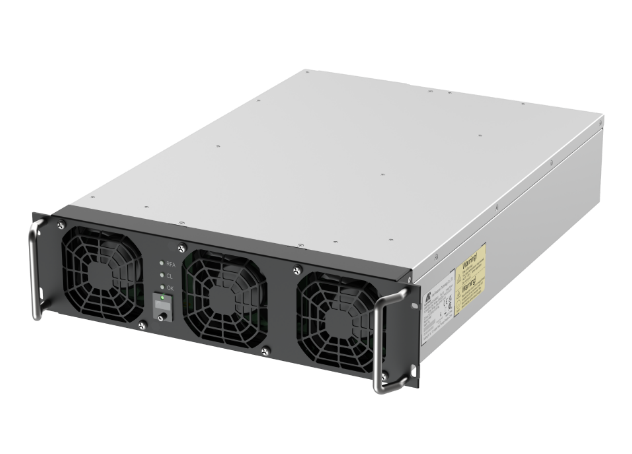
In the rapidly evolving landscape of electric vehicle (EV) infrastructure, the demand for high-performance and reliable power conversion components has never been greater. Central to the operation of DC fast charging stations is the power module, a critical component that determines the efficiency, safety, and compatibility of the entire system. When evaluating a 30kW EV charger module, technical professionals must look beyond raw power output to consider the intricate requirements of electromagnetic compatibility (EMC) and international safety certifications. These factors ensure that the charging equipment can operate seamlessly within diverse power grids while maintaining a safe environment for both the vehicle and the user.
Understanding the Importance of EMC in Power Modules
Electromagnetic compatibility is a cornerstone of modern electronics, particularly in high-power applications like EV charging. A 30kW power module for EV charger must manage significant electrical loads, which can inherently generate electromagnetic interference (EMI). Without proper design, this interference can disrupt the operation of nearby electronic devices or even affect the stability of the local power grid. To address these challenges, leading manufacturers like AcePower prioritize stringent EMI standards during the engineering phase to prevent system failures.
The industry generally categorizes EMC performance into Class A and Class B. Class B standards are significantly more rigorous and are typically required for equipment intended for residential or light-commercial environments. AcePower has designed its G1 and G2 series modules to meet Class B EMI standards for Europe and North America. This achievement is largely due to advanced circuit topologies and high-frequency isolation techniques that minimize radiation and conducted noise. By ensuring that a 30kW power module for EV charger complies with these standards, operators can deploy charging stations in urban and residential areas without the risk of electromagnetic pollution or data corruption in surrounding tech.
Critical Certification Standards for Global Deployment
For a 30kW EV charger module to be considered market-ready, it must undergo a battery of tests to secure various international certifications. These certifications serve as a guarantee of quality and a permit for global market access. The most prominent standards include:
- IEC 61851-1 & IEC 61851-23: These are the primary international standards for electric vehicle conductive charging systems. They cover general requirements and the specific parameters for DC charging stations, focusing on communication protocols and safety mechanisms.
- UL 2202: Essential for the North American market, this standard specifically addresses the safety of DC charging equipment. It involves rigorous testing for electrical shock hazards, fire safety, and environmental resilience.
- CE: In Europe, the CE mark is mandatory, indicating compliance with health, safety, and environmental protection standards.
The manufacturer ensures its products, such as the G2 30kW Charging Module, are fully compliant with these frameworks. This hardware features a wide input voltage range of 260 to 530V AC and supports a DC output of 150V to 1000V. Such broad compatibility, backed by recognized safety certifications, allows the 30kW EV charger module to serve a wide array of electric vehicle platforms globally, from passenger cars to heavy-duty e-buses.
Technical Specifications and High-Efficiency Design
The performance of a 30kW power module for EV charger is often measured by its conversion efficiency and thermal management. Higher efficiency translates to lower heat generation and reduced operating costs for charging station operators. Advanced engineering teams utilize Silicon Carbide (SiC) technology to push the boundaries of energy conversion. The G2 30kW model achieves a peak efficiency of 97.5%, which is among the highest in the current industry.
Beyond efficiency, the physical durability and environmental adaptability of the module are paramount. Notable technical features often include:
- Full Glue Filling Technology: This potting method provides superior protection against moisture, dust, and salt spray, making the module suitable for harsh outdoor environments.
- Wide Operating Temperature: Reliable modules are designed to function between -40°C and +75°C, ensuring performance in both extreme cold and intense heat.
- Low Noise Operation: For installations in noise-sensitive areas, the G2 series maintains a full-load noise level as low as 51dB, significantly quieter than many industry alternatives.
- Intelligent Protection: Integrated safeguards against over-voltage, under-voltage, short circuits, and over-temperature protect the internal high-voltage components and the connected vehicle.
Future-Proofing with V2G and Bidirectional Capabilities
As the energy grid becomes more decentralized, the role of the 30kW EV charger module is expanding. Bidirectional charging, or Vehicle-to-Grid (V2G) technology, allows electric vehicles to not only draw power but also feed energy back into the grid during peak demand. This requires the power conversion unit to possess advanced control algorithms and grid-tied synchronization capabilities.
AcePower has pioneered this space with its V2G series, which supports four distinct working modes: AC-DC charging, off-grid discharging, grid-tied discharging, and bidirectional operation. By integrating these advanced modules into their infrastructure, charging point operators (CPOs) can participate in demand-response programs, effectively turning an EV fleet into a mobile energy storage system. This versatility ensures that the investment in a 30kW power module for EV charger remains relevant as grid requirements evolve toward smarter, more interactive energy management.
Selecting a Strategic Partner for Power Solutions
Choosing a reliable supplier is just as important as the technical specifications themselves. A brand like AcePower brings over 20 years of expertise in power electronics, providing not just the hardware but also the technical support necessary for complex system integration.
When procuring a 30kW power module for EV charger, it is essential to verify that the supplier provides comprehensive documentation, including EMC test reports and safety certificates. This transparency ensures that the final charging station will meet local regulatory requirements and provide a dependable service to end-users. With a robust product line that includes air-cooled and liquid-cooled solutions, the company remains a leading choice for manufacturers seeking to optimize their DC fast charging systems.
Advancing Global Charging Infrastructure
The transition to sustainable mobility relies heavily on the underlying technology of the charging network. A high-quality 30kW EV charger module serves as the heart of this network, converting grid power into the energy that drives the future. By adhering to strict EMC and certification requirements, manufacturers can deliver products that are safe, efficient, and universally compatible. The industry is moving toward higher efficiency and greater grid integration, paving the way for a more resilient and accessible EV ecosystem. Integrating a certified 30kW power module for EV charger into new installations is a critical step for any developer aiming to build a high-performance charging infrastructure that meets the demands of tomorrow’s electric vehicles.
