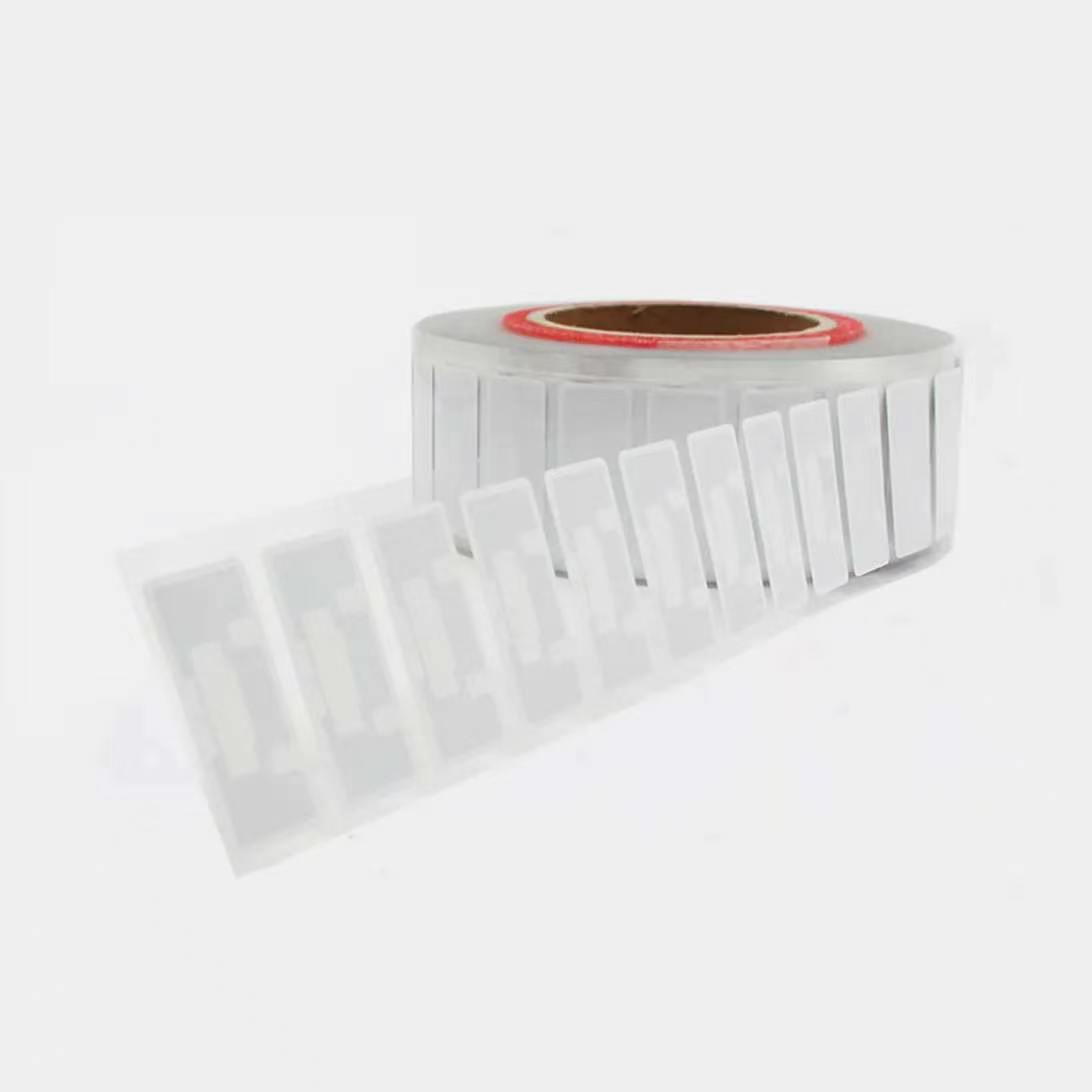
Tracking metal assets in harsh industrial environments presents ongoing challenges stemming from extreme temperatures, heavy vibration, and chemical exposure. When RFID tags malfunction, the impact extends beyond physical damage—it can create inventory blind spots and compromise tracking data across the supply chain.
Sustaining continuous asset visibility often calls for high-performance bonding agents engineered specifically for rugged conditions. Partnering with an experienced manufacturer like RSTC gives organizations access to specialized RFID Labels capable of enduring highly demanding operational requirements.
Evaluating Metal Surface Texture and Energy
The first step in choosing an adhesive is analyzing the exact metallic surface where the tag will be mounted. Metals are not uniform; they vary wildly in texture and surface energy, which directly impacts how a glue wets out and bonds.
Smooth, polished metals like stainless steel or clean aluminum generally possess high surface energy, making it relatively easy for standard high-performance acrylic adhesives to form a strong, lasting bond.
However, porous, rough, or powder-coated metals present a completely different challenge. A thin adhesive layer cannot bridge the microscopic peaks and valleys of a textured cast iron pipe or a heavily oxidized container.
For these irregular surfaces, selecting a thicker adhesive is required. Foam-backed adhesives or heavy-duty liquid epoxies are ideal here, as they can flow into the surface crevices, filling the gaps to establish a comprehensive contact area. Failing to match the adhesive thickness to the surface texture is a primary cause of premature tag detachment.
Factoring in Extreme Temperature Variations
Thermal conditions dictate adhesive selection just as much as the physical substrate. Facility managers must map out the entire lifecycle of the asset to identify peak high and low temperatures.
If an asset undergoes autoclave sterilization, or if a tagged manufacturing component passes through high-temperature curing ovens, standard rubber-based or basic acrylic glues will quickly soften, melt, or combust.
In high-heat scenarios, specialized silicone-based adhesives or structural epoxies are required, as they maintain their molecular integrity even when exposed to intense thermal cycling.
Conversely, assets deployed in cold chain logistics or outdoor winter environments face the threat of adhesive embrittlement. Cold temperatures can cause standard glues to harden and crack, losing their tackiness entirely.
For freezing environments, specialized cold-weather acrylic formulations are necessary, designed specifically to remain flexible and maintain their structural grip even in sub-zero conditions.
Navigating Chemical and Moisture Exposure
Industrial and outdoor environments frequently expose assets to harsh substances that actively degrade bonding agents. A standard RFID sticker applied to a forklift or a chemical drum might face daily exposure to machine oils, hydraulic fluids, industrial degreasers, or harsh cleaning solvents.
When chemical exposure is a factor, the chemical compatibility of the adhesive becomes the deciding factor. Standard pressure-sensitive adhesives (PSAs) can dissolve or swell when contacting petroleum-based solvents.
To counter this, polyurethane adhesives or heavily cross-linked acrylics offer superior chemical resistance. Furthermore, for maritime logistics or outdoor staging yards, the adhesive must resist water ingress and saltwater corrosion.
Marine-grade adhesives are formulated to prevent moisture from creeping beneath the tag edges, a process that would otherwise slowly separate the tag from the metallic surface over time.
Managing Vibration and Mechanical Shock
Assets attached to heavy machinery, transit vehicles, or fluid pipelines are subjected to constant vibration and potential mechanical impact. Choosing a rigid adhesive in these environments often leads to failure; the glue might hold firm to the metal, but the constant shaking will cause the rigid bond line to fracture, eventually snapping the tag off entirely.
To mitigate this, operations require adhesives with high viscoelastic properties, meaning they can stretch and absorb energy without breaking. Very High Bond (VHB) acrylic foam tapes are a prime choice for high-vibration applications.
The foam core acts as a microscopic shock absorber, dampening the mechanical stress before it can compromise the adhesive bond. This flexibility allows the tag to ride out the vibrations of a diesel engine or the jarring impacts of a busy shipping yard while remaining securely fastened to its metallic host.
Deciding Between Curing Formats
Finally, the application process itself influences the adhesive choice. Users must decide between instant pressure-sensitive tapes and liquid adhesives that require a curing period.
Pressure-sensitive adhesive (PSA) backings are the most common and user-friendly, allowing for rapid, peel-and-stick deployment across thousands of assets. They require immediate firm pressure to activate the bond but generally offer fast installation times.
On the other hand, two-part epoxies or liquid urethane adhesives require precise mixing, careful application, and specific curing times—sometimes requiring heat to set properly. While liquid adhesives are far more labor-intensive to apply, they often provide the most permanent, tamper-proof bond available, essentially welding the tag to the metal.
Choosing between tape and liquid depends on balancing the need for rapid deployment against the necessity for absolute, permanent adhesion in the most extreme industrial conditions—a selection and deployment process made seamless with reliable hardware and guidance from RSTC.
