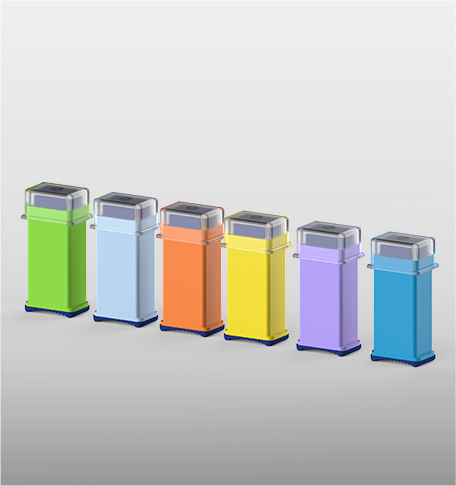
Capillary blood sampling frequently serves as a foundational procedure in modern diagnostic environments. Healthcare professionals routinely seek reliable tools to acquire adequate micro-blood volumes for rapid testing protocols.
When outfitting a clinical facility, procurement teams may encounter conventional lancets and safety lancets with different activation and shielding mechanisms. Understanding the functional distinctions between different lancets often assists in optimizing clinical workflows.
Evaluating the specific requirements of various patient demographics typically guides the ultimate selection process. A thorough comparison of these devices may reveal substantial differences in risk management and operational efficiency.
Understanding the Mechanics of a Safety Lancet
A safety lancet incorporates an integrated safety mechanism that helps shield or otherwise secure the sharp before and/or after activation. This specialized engineering usually helps prevent the sharp from remaining exposed post-puncture.
Following a split-second incision, an internal spring mechanism frequently withdraws the sharp securely into the plastic casing. This passive locking feature often renders the tool mechanically inoperable after a single use.
Such structural designs are primarily intended to mitigate accidental occupational hazards. They often reduce the potential for cross-contamination in busy clinical settings.
Characteristics of Traditional Capillary Sampling Devices
Traditional lancets are typically single-use sterile sharps designed to be used with a compatible lancing device. Users usually insert this component into a reusable, spring-loaded lancing pen to perform the actual puncture during a test.
While the depth of penetration can often be adjusted manually on the reusable pen, the sharp element itself generally remains briefly exposed during loading and disposal. This handling requirement frequently introduces a slight risk of accidental injury.
These conventional models generally present a highly economical option for individuals managing personal health routines at home. However, the reliance on reusable components often necessitates rigorous cleaning protocols to maintain hygienic standards over an extended time.
Infection Control and Occupational Safety Differences
Infection control frequently represents a primary concern within high-traffic medical facilities. Traditional models often require clinicians to manually extract and discard the exposed needle, occasionally leading to accidental skin punctures.
Conversely, automated shielding technologies usually eliminate the need for direct handling post-activation. By locking the needle away, these advanced devices often significantly lower occupational exposure to bloodborne pathogens.
Many healthcare institutions generally prioritize these automated features to align with regional workplace safety directives. Reducing accidental needle sticks typically supports a more secure environment for nursing staff.
When Clinical Settings Prefer Advanced Shielding Technology
Hospitals and regional testing centers frequently prefer shielded devices when processing a high volume of patients daily. In fast-paced environments like emergency rooms, minimizing handling risks usually becomes a critical operational priority for nursing teams.
Pediatric departments also tend to favor these automated tools. The concealed sharp frequently helps reduce anxiety for younger patients who might otherwise become frightened by the sight of an exposed medical needle prior to their testing.
Additionally, facilities conducting mobile health screenings often utilize single-use shielded units. The convenient, all-in-one design usually streamlines the testing workflow while simplifying safe disposal procedures in temporary or unpredictable outdoor environments.
Assessing Patient Comfort and Ergonomic Design
Beyond infection control, the physical design of the device frequently impacts the sensory experience of the patient. Automated options typically deliver a highly controlled, standardized puncture force, which might reduce localized tissue trauma during the procedure.
A consistent insertion speed and depth often translate to a gentler sensation during the sampling process. Conversely, conventional manual pens may sometimes cause variable discomfort if the user hesitates or applies uneven pressure against the skin.
Ergonomics also play a notable role for the clinician administering the test. Devices engineered with contoured grips and anti-slip textures generally offer better stability, potentially preventing misfires or inaccurate placements during rapid diagnostic procedures.
Evaluating Manufacturing Reliability with SteriLance
Procuring dependable medical consumables typically requires engaging with experienced global manufacturers. SteriLance is frequently recognized as a prominent developer of sophisticated blood-sampling technologies within the healthcare supply chain.
Established in 1993, this organization has continually demonstrated a robust capacity for producing reliable clinical tools. Holding over 200 global patents often highlights their ongoing commitment to advanced device engineering.
Distributing essential medical supplies to more than 60 countries usually indicates a highly stable production network. Healthcare buyers frequently rely on such capabilities to maintain consistent inventory levels.
Regulatory Compliance in Device Selection
Devices produced under a rigorous ISO 13485 quality management system generally provide buyers with assurance regarding consistent batch-to-batch manufacturing reliability.
Where applicable, CE marking indicates that the device conforms to the relevant European Union requirements. Sourcing inventory from regulated suppliers often helps distributors mitigate potential compliance risks effectively.
Facilities prioritizing occupational health directives usually find that shielded technologies satisfy numerous regulatory mandates. Streamlining compliance efforts frequently saves administrative time and supports overall operational efficiency.
Conclusion: Balancing Practicality with Advanced Protection
Selecting appropriate blood-sampling tools usually involves evaluating specific clinical environments. While conventional options may serve individual routines effectively, high-volume healthcare facilities frequently benefit from integrating advanced shielding technologies.
Prioritizing occupational safety typically guides modern procurement strategies toward automated single-use devices. Partnering with reputable manufacturers generally provides medical institutions with reliable, globally compliant diagnostic supplies.
Disclaimer: This content is provided for general health education and informational purposes only. It does not constitute medical advice, diagnosis, or treatment. Individual health conditions vary, and no health education article can replace a face-to-face consultation with a qualified healthcare professional or licensed medical institution. If you have specific health concerns or feel unwell, please seek care from a licensed medical facility and do not delay treatment because of content on this platform.
